
Historic Arkansas Museum
About Historic Arkansas Museum
Historic Arkansas Museum is home to a historic city block including the oldest building in Little Rock, an 1850s Farmstead, galleries of Arkansas Made art and history ranging from indigenous Arkansans to contemporary artists and artisans. Visit us for unique programming and events!
Hours & Admission
*Tuesday – Saturday
9 a.m. – 5 p.m.
Sunday
1 p.m. - 5 p.m.
Free museum parking
Admission
Galleries: Free
Grounds Tours:
$2.50 for adults
$1.50 for 65+
$1.00 for under 18
*Holiday hours vary. Check our social media pages for details.


We Have an Event Coming Up!
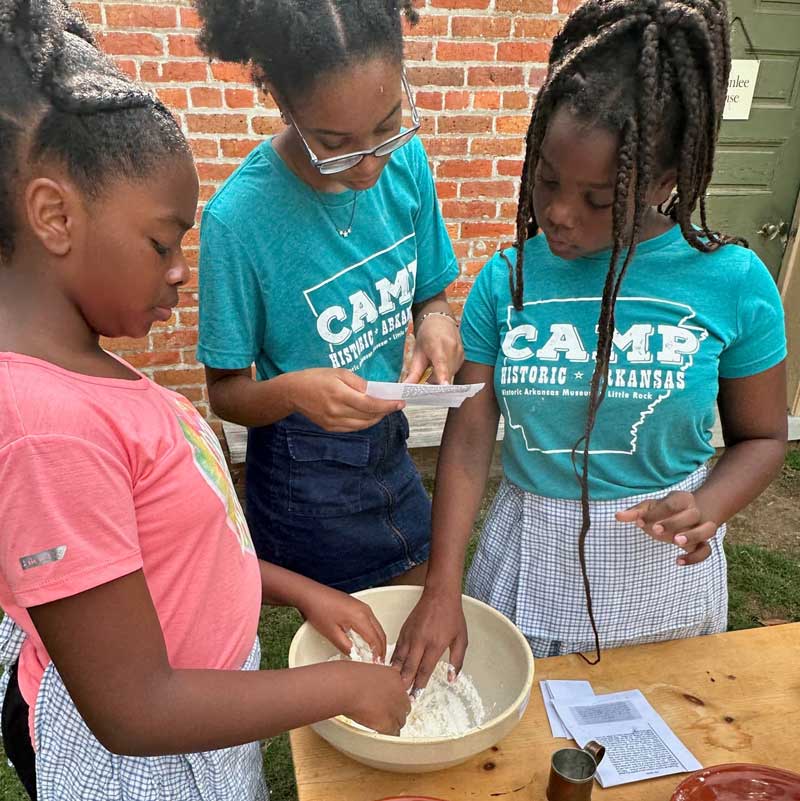
Registration for Camp Historic Arkansas NOW Open
- March 30, 2024 - June 21, 2024
- 10:01AM - 10:00AM
A week full of summer fun for kids entering 4th through 6th grade!
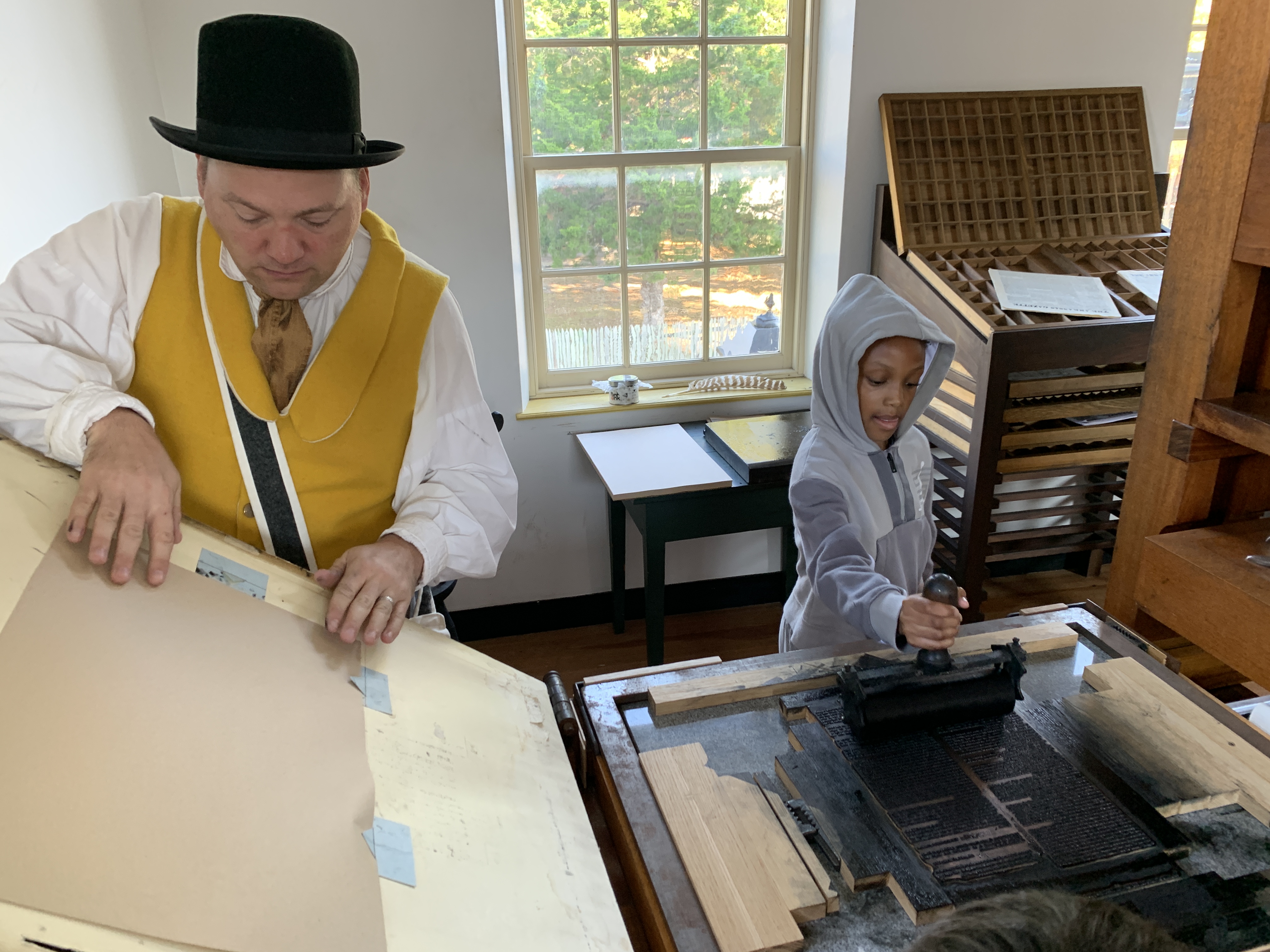
Living Craft Saturday in April
- April 20, 2024
- 10:00AM - 04:00PM
Commerce & Transportation

51st Annual Territorial Fair
- May 12, 2024
- 12:00PM - 04:00PM
Music, dancing, craft activities, games and magic!
Become a Member
Join our #HAMily! Support our programs and get the benefits of membership.
Learn moreDonate
Learn how your donations, memoriums or sponsorships help support Historic Arkansas Museum in its mission to preserve and share Arkansas history, arts and culture.
Learn More